
The global pandemic of 2020 has not only changed the way we live and work now, it has altered the course of our lives moving forward. For better or worse, there are things that have changed during the pandemic that will never go back to the “normal” we knew before the coronavirus struck.
Some of these changes are for the better. Telemedicine is here to stay, making the healthcare system more efficient and convenient for doctors and patients. People will also be able to work from home more in the future, saving time and money on commutes and allowing for a better work/life balance.
Unfortunately, some of these changes are bad for society. One thing that grew during COVID and is here to stay is organized cybercrime. Complaints to the FBI’s Cyber Division jumped from roughly 1,000 a day before the pandemic to 3,000 to 4,000 a day at its height. Internationally, INTERPOL reported a 569% increase in malicious domain registrations from February to March 2020 and a 788% increase in high-risk registrations during that period.
Much of this activity is powered by an underground economy where criminal groups sell their tools and skills to anyone willing to pay. Cyber Security Group, a leading expert in cyberterrorism and cyber security, has analyzed the stats, surveys, and studies to explain how this for-hire model works. Here is what businesses need to know about cybercrime as a service in 2021.
Cybercrime as a Service
As with a lot of technology, hacking tools are becoming easier to find and use for criminal organizations around the world. Attackers no longer have to write their own malicious code or build their own infrastructure. Organized groups now package their tools and services and sell them to anyone who is interested.
Just like Software as a Service (SaaS) products, Cybercrime as a Service (CaaS) gives relatively cheap and easy access to malicious tools for a much smaller fee than the cost of creating them on your own. Many offerings come with subscription pricing, how-to guides, customer support and affiliate programs that share profits with partners.
There are dozens of established and emerging groups selling these services, and some are rising to the top of the “industry”. Their tools have already been used in attacks that cost businesses millions of dollars. The most common services for sale in the cybercrime economy include:
- Phishing kits – ready-made fake login pages, email templates and hosting that let anyone impersonate a bank, cloud provider or vendor in minutes.
- Initial access brokers – criminals who break into corporate networks and then sell that foothold, such as stolen VPN, remote desktop or email logins.
- Botnets for hire – networks of infected computers and devices rented out to send spam, spread malware or knock websites offline with denial-of-service attacks.
- Credential and data markets – underground marketplaces where stolen passwords, card numbers and customer records are bought and sold in bulk.
- Malware on subscription – off-the-shelf malicious software, including password-stealing tools and remote access trojans, sold with regular updates and support just like legitimate software products.
Healthcare-related Attacks Will Continue
The global COVID-19 health crisis has led to healthcare systems around the world being stressed and spread thin. This leaves these types of organizations very vulnerable to cyberattacks. Patient records are highly valuable to criminals, and overworked staff are more likely to click on a convincing phishing email.
Criminal service providers know this. Access to hospital and clinic networks can be advertised for sale by access brokers, and phishing kits are often built to imitate healthcare vendors, insurers and government health agencies.
Smaller practices, labs and medical suppliers are often the easiest way in. They connect to larger health systems and handle sensitive data, but rarely have a dedicated security team, so a breach at one partner can become an entry point into many others.
This trend looks set to continue. Healthcare organizations of every size should treat email security, multi-factor authentication, staff training and continuous network monitoring as an essential part of protecting patients and their data.
Increase in Mobile Attacks
Many businesses are getting savvier about protecting their computers and networks by using companies like Cyber Security Group to put an IT plan in place to stop threats before they happen. Cybercriminals are not deterred though. They are using this as an opportunity to move to a different medium, mobile devices.
Phones and tablets now hold email, banking apps, verification codes and company files, yet they are often less protected than laptops and servers. Criminal service providers sell kits and campaigns built to reach users on the devices they carry everywhere. Common mobile attack methods include:
- Smishing – text messages with malicious links posing as banks, delivery services or employers
- Malicious apps – fake or tampered apps distributed outside official app stores
- Mobile phishing pages – fake login screens designed to steal email and cloud passwords
- Unsecured Wi-Fi – public hotspots used to intercept traffic or capture logins
- SIM swapping – hijacking a phone number to intercept calls and verification codes
Mobile Threats at a Glance
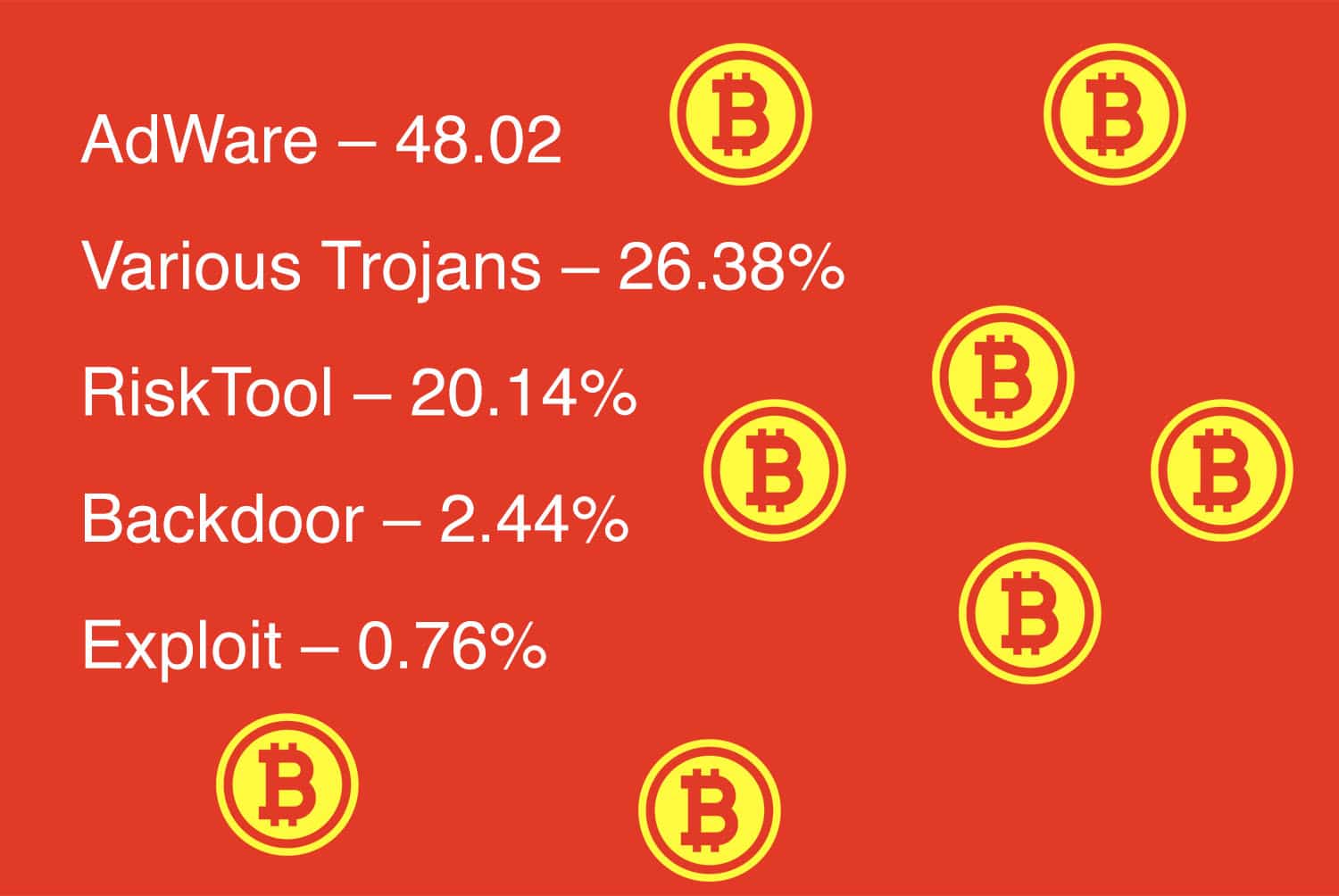

Conclusion
There are plenty of reasons why 2020 has been a very bad year. The rapid growth of organized, for-hire cybercrime is simply another problem this year has brought on. In 2021, many of the trends we have seen in 2020 will, unfortunately, continue and maybe even grow worse.
In the coming year, we will continue to see cybercrime-as-a-service groups gain customers and supply tools for more attacks. We will see our vulnerable healthcare system continue to take on an increased amount of attacks. And, our mobile phones will become a bigger target than ever.
If these cybercrime trends have you concerned, Cyber Security Group can help. Our team hardens your email, endpoints and network before criminals come knocking, builds a response plan to limit the damage if an incident occurs, and helps you get back to business quickly afterward.
Every engagement starts with a free consultation, where our experts review your current defenses, find the gaps that for-hire attackers look for, and recommend practical next steps, all backed by 24/7 support.
About Cyber Security Group
Cyber Security Group is a leading authority on cyberterrorism and cyber security, providing managed IT and security services to businesses across the United States. Founder and CEO Zohar Pinhasi is a Counter Cyberterrorism Expert and Cyber intelligence threat specialist with nearly 25 years of experience in cybersecurity.
The company is backed by former FBI Deputy Director John Pistole and has provided cyber threat intelligence to some of the world’s top authorities, including The Federal Bureau of Investigation (FBI) and dozens of police departments and municipalities across the United States.
Sources
Fair Use Statement
You may share this content (for noncommercial purposes) to the clouds and back – just link the materials to this page. And while you’re at it, please credit us too!